
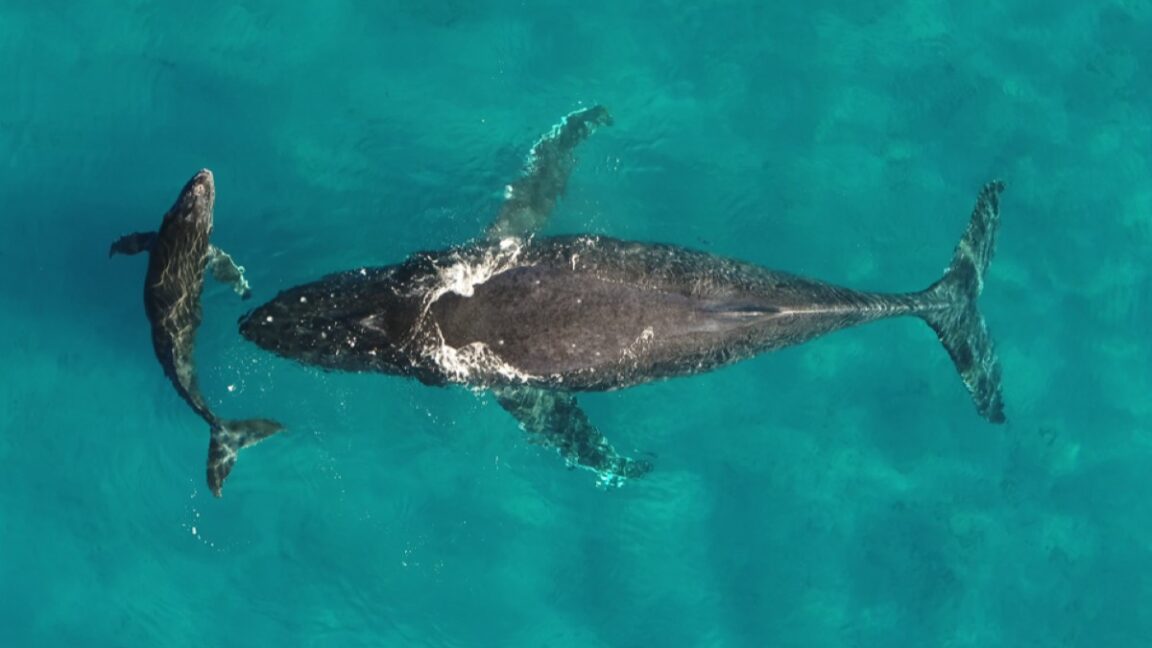
**Summary: Climate Change Forces Marine Mammals and Migratory Species into Dangerous New Waters**
For thousands of years, vast migrations have defined the lives of some of the world’s largest marine mammals. Whales such as humpbacks, fin whales, and blue whales undertake epic journeys, traveling between warm tropical breeding grounds and nutrient-rich polar feeding areas. Guided by environmental cues and learned memory, these migrations ensured survival and reproductive success. However, new scientific findings suggest that climate change is dramatically disrupting these finely tuned patterns, with consequences rippling across the planet’s migratory species.
Dr. Trisha Atwood, an ecologist at Utah State University, explains that climate change is “scrambling” the environmental signals that whales and other migratory animals rely on. This disruption is not limited to whales; it affects a vast range of species worldwide. Earlier this year, Atwood joined over 70 scientists at a United Nations workshop focused on the global impacts of climate change on migratory species. Their recent report paints a stark picture: over 20 percent of the more than 1,000 monitored migratory species are now on the brink of extinction, and almost none remain untouched by climate change.
The report details how rising temperatures, extreme weather events, and shifting ecosystems are upending migratory routes and altering critical habitats for animals around the globe. For example, Asian elephants are being driven to higher elevations and closer to human settlements in search of food and water as droughts intensify, leading to increased human-wildlife conflicts. Migratory shorebirds are arriving at their Arctic breeding grounds out of sync with the insect blooms their chicks need to survive. Sea turtles and dugongs are losing the seagrass meadows they depend on, which are vanishing due to warmer oceans, severe storms, and rising sea levels. The loss of seagrass meadows is particularly worrying, as they store about 20 percent of the world’s oceanic carbon and support vital fisheries.
These examples highlight a broader pattern: climate change is undermining the delicate balance migratory species have relied upon for survival. Dr. Atwood notes that “climate change is disrupting this balance by altering when and where resources appear, how abundant they are, the environmental conditions species must endure, and the other organisms they interact with, reshaping entire networks of predators and competitors.”
Marine life is especially vulnerable. On the U.S. West Coast, for instance, warming waters have forced juvenile great white sharks out of their usual southern habitats, resulting in increased sea otter deaths in Monterey Bay as the sharks move north. Whales and dolphins are facing particular threats, as changes in ocean temperatures affect both their prey and their habitats. In the Mediterranean, heatwaves are projected to reduce suitable habitat for endangered fin whales by up to 70 percent by mid-century, as their prey dwindles or shifts location. Rising temperatures in the Northern Adriatic Sea may soon exceed the physiological limits of bottlenose dolphins, threatening their survival.
The Amazon