
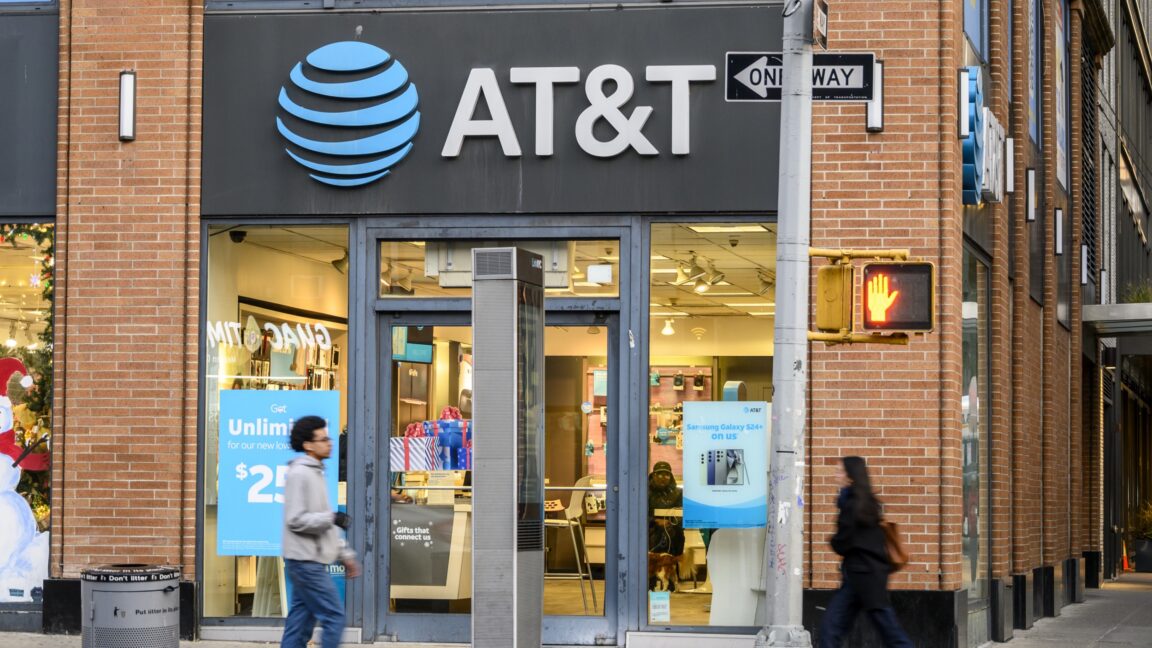
AT&T Ordered to Change Misleading “Free iPhone for Everyone” Ads After Watchdog Ruling
AT&T is once again under fire for misleading advertising practices, after the National Advertising Review Board (NARB)—the appeals body of the advertising industry’s self-regulatory system—ruled that the company must stop promoting its “everyone gets iPhone 16 Pro on us” campaign. The decision, announced this week, comes just days after AT&T sued the same watchdog organization over a separate dispute, highlighting a growing conflict between the telecom giant and industry regulators.
**The Challenge and Ruling**
The controversy began when Verizon filed a complaint against AT&T’s advertising, which boldly claimed, “Learn how everyone gets iPhone 16 Pro on us when you trade in your old iPhone in any condition.” Verizon argued that the ad was deceptive because it implied all AT&T customers were eligible for the free iPhone offer, when in reality, only those on certain more expensive plans qualified. Customers on AT&T’s lower-cost “value” plans were excluded, a crucial restriction that was not clearly disclosed in the ad.
The National Advertising Division (NAD), which initially reviews such cases, agreed with Verizon in September 2023. AT&T appealed, but the NARB upheld the original decision. The NARB concluded that the ad’s wording—particularly the use of “everyone gets”—conveyed a false message to consumers. They criticized AT&T for failing to clearly and conspicuously disclose the significant eligibility limitations, noting that most viewers would reasonably interpret “everyone” as truly meaning all customers, without exception.
**Ad Language Under the Microscope**
AT&T argued that their language was technically accurate, insisting that the phrase “learn how everyone gets” simply invited customers to find out more about the offer, and that the limitations were available to those who dug deeper. The company also claimed that their customer surveys showed people understood the restrictions. However, regulators found the survey methodology questionable and ultimately sided with Verizon, stating that the overall impression left by the ad was misleading.
The NARB emphasized that the word “everyone” is universally understood to mean “every person, without exception,” and cited the Merriam-Webster dictionary definition to support their point. The panel also worried that customers most likely to be attracted by such offers—those on lower-cost plans—were precisely the ones being misled, since they would not qualify for the free phone.
**AT&T’s Response and Ongoing Disputes**
Despite losing the appeal, AT&T said it would comply with the NARB’s recommendations, pledging to modify its advertising in the future to avoid similar confusion. In an official statement, the company maintained that its survey supported their interpretation of the ad’s clarity, but acknowledged the need to heed the watchdog’s findings.
The timing of the ruling raises practical questions, as the iPhone 16 Pro offer was introduced over a year ago and Apple’s iPhone 17 is already on the market